

The allure of casino games often stems from the thrill of uncertainty, a fundamental aspect of risk-taking behavior. In a casino setting, players frequently face the unpredictable nature of outcomes, be it a roll of the dice or the spin of a roulette wheel. This unpredictability triggers an adrenaline rush that can be exhilarating, leading individuals to engage in riskier behaviors than they might in other contexts. Interestingly, many are drawn to online casino platforms that offer a similar excitement, even when playing from home. The excitement derived from potential wins can overshadow the risks involved, prompting players to act impulsively and continue gambling despite possible losses.
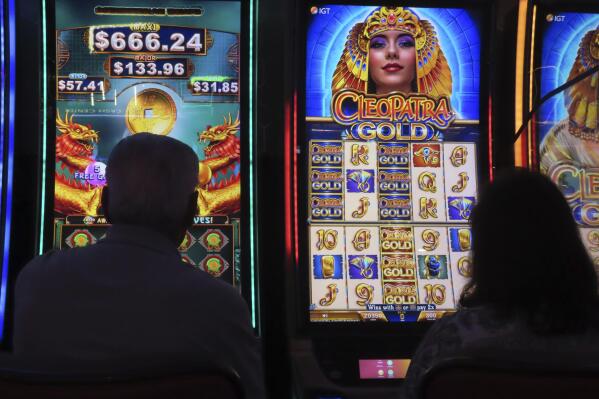
Furthermore, the psychological concept of the “reward system” in the brain plays a significant role in this dynamic. When players experience wins, their brains release dopamine, a neurotransmitter associated with pleasure. This reinforces the behavior, making players more likely to take further risks in hopes of experiencing the same rewarding feelings again. This cycle of risk and reward can create a powerful addiction, driving individuals to return to casinos in search of that next high.
Risk-taking in casino games is not a one-size-fits-all phenomenon; individual differences significantly impact how people perceive and engage with risk. Factors such as personality traits, previous experiences, and emotional state can influence a person’s willingness to gamble. For instance, those with higher levels of sensation-seeking personality traits may be more attracted to the chaotic environment of a casino, while more cautious individuals might avoid it altogether.
Additionally, past experiences with gambling can shape future behavior. A player who has previously won may develop a bias towards taking risks, believing they are due for another win. Conversely, a player who has faced significant losses may become more risk-averse, opting for safer bets or even refraining from gambling altogether. Understanding these psychological nuances can shed light on why certain individuals become more entrenched in gambling behaviors than others.
Cognitive biases significantly influence decision-making in casino environments. One notable bias is known as the “gambler’s fallacy,” where individuals mistakenly believe that past events affect future outcomes. For example, a player may think that after a series of losses, a win is “due.” This fallacy can lead to increased risk-taking, as players may continue to gamble in hopes of hitting a winning streak.
Another bias, the “availability heuristic,” may also come into play. Players often overestimate their chances of winning based on memorable experiences, such as hearing about a friend’s big win. These biases can distort reality, driving players to take risks that are neither rational nor advisable. Recognizing these cognitive traps is crucial for promoting responsible gambling practices.
The environment of a casino itself is designed to encourage risk-taking behavior. The bright lights, sounds of winning, and the overall atmosphere create an enticing and immersive experience that can cloud judgment. These elements serve as psychological triggers, often pushing players to gamble more than they initially intended. The design of games, coupled with strategic marketing techniques, manipulates players’ perceptions of risk and reward.
Moreover, social influences also play a role in shaping gambling behaviors. Observing others winning can elicit a sense of competition or a desire to join in, further escalating risk-taking. The communal aspect of casinos can create a shared euphoria, which may lead individuals to take risks they would not consider in isolation. This combination of environmental and social factors makes casinos a unique setting for exploring the psychology of risk-taking.

As you explore the intricate dynamics of risk-taking in casino games, it is essential to approach gambling with awareness and responsibility. Our platform aims to provide valuable resources and insights to help users understand these psychological factors. By fostering awareness of cognitive biases and environmental influences, we can guide individuals towards more informed decision-making.
Ultimately, embracing a balanced and informed approach to gambling can enhance the experience while minimizing potential downsides. Our commitment is to ensure a safe and enjoyable environment, supported by educational resources that empower players to make responsible choices in casino gaming.
Địa chỉ : Số 137 Hoàng Hoa Thám, P. Tân Tiến, TP. Buôn Ma Thuột, Đắk Lắk
Điện thoại : 0935. 75.45.86
Email: Nhadepbanme.vn@gmail.com
GPDKKD số : 6001380274 do sở kế hoạch đầu tư tỉnh Đắk Lắk cấp 26-02-2013