

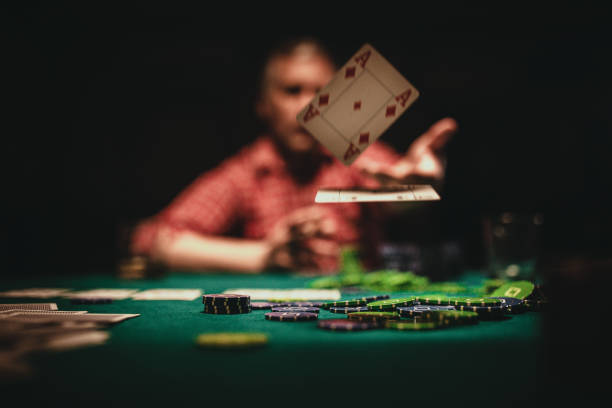
High-stakes casino games attract players with the promise of significant financial rewards and the thrill of risking substantial amounts of money. The psychology behind this allure is tied to the human brain’s reward system, which releases dopamine when we anticipate or achieve a reward. This chemical reaction can create a euphoric feeling, motivating individuals to take risks they might otherwise avoid. For those looking for the best sweepstakes casinos, the idea of potentially winning a life-changing sum can ignite excitement and hope, drawing players into the high-stakes arena.
Moreover, the social environment of high-stakes gambling enhances this allure. Players often find themselves in luxurious settings filled with others who share their passion for risk. This communal atmosphere fosters a sense of belonging and excitement, making the experience even more gratifying. The combination of individual ambition and collective energy can push players to engage in high-stakes games, despite the dangers of financial loss.
The perception of risk in high-stakes casino games significantly influences player behavior. Many gamblers often misjudge their odds, believing that their chances of winning are better than they truly are. This cognitive bias, known as the optimism bias, can lead players to take greater risks. In high-pressure environments like casinos, the frenetic atmosphere can further skew a player’s judgment, making it challenging to evaluate risks accurately.
Additionally, the environment of a casino, with its flashing lights and enticing sounds, heightens emotions and can lead to impulsive decisions. Players may underestimate the risks involved, focusing instead on the thrill of the game and potential winnings. This psychological phenomenon underlines the importance of understanding one’s own decision-making process and recognizing how emotions can cloud judgment in high-stakes situations.
Loss aversion is a critical psychological concept that influences behavior in high-stakes gambling. This principle suggests that individuals feel the pain of losses more acutely than the pleasure of equivalent gains. As a result, when players experience losses, they may chase after their losses in an attempt to regain what they lost, leading to a potentially destructive cycle of gambling.
This phenomenon is particularly pronounced in high-stakes environments, where the stakes are significantly higher. The fear of loss can drive players to take increasingly risky bets, hoping to reverse their fortunes. Understanding loss aversion is essential for players to recognize when their emotional responses may be leading them towards harmful gambling behaviors, prompting the need for greater self-awareness and control.
Winning at high-stakes games can trigger a powerful psychological response, reinforcing the behavior that led to the victory. The thrill of hitting a jackpot or winning a significant sum can create an addictive feedback loop, prompting players to return to the table in search of that same high. Conversely, losses can lead to feelings of frustration and despair, which can impact a player’s mental health and decision-making in future games.
This dynamic between wins and losses showcases the unpredictable nature of gambling. The emotional roller coaster of high-stakes gambling can foster a dependency on the highs of winning and the avoidance of the lows of losing. Understanding this psychological impact is crucial for players who want to engage in high-stakes games responsibly.
At our website, we prioritize your gambling experience by providing valuable insights into the psychology behind high-stakes casino games. We understand that knowledge is key to making informed decisions in the gambling world. Our goal is to empower players with information that enhances both enjoyment and responsible gambling practices.
By exploring the intricate relationship between psychology and gambling, we aim to foster a safer gaming environment. We are committed to providing resources that not only enhance your understanding of the games but also promote your overall well-being while navigating the exciting yet perilous world of high-stakes gambling.
Địa chỉ : Số 137 Hoàng Hoa Thám, P. Tân Tiến, TP. Buôn Ma Thuột, Đắk Lắk
Điện thoại : 0935. 75.45.86
Email: Nhadepbanme.vn@gmail.com
GPDKKD số : 6001380274 do sở kế hoạch đầu tư tỉnh Đắk Lắk cấp 26-02-2013